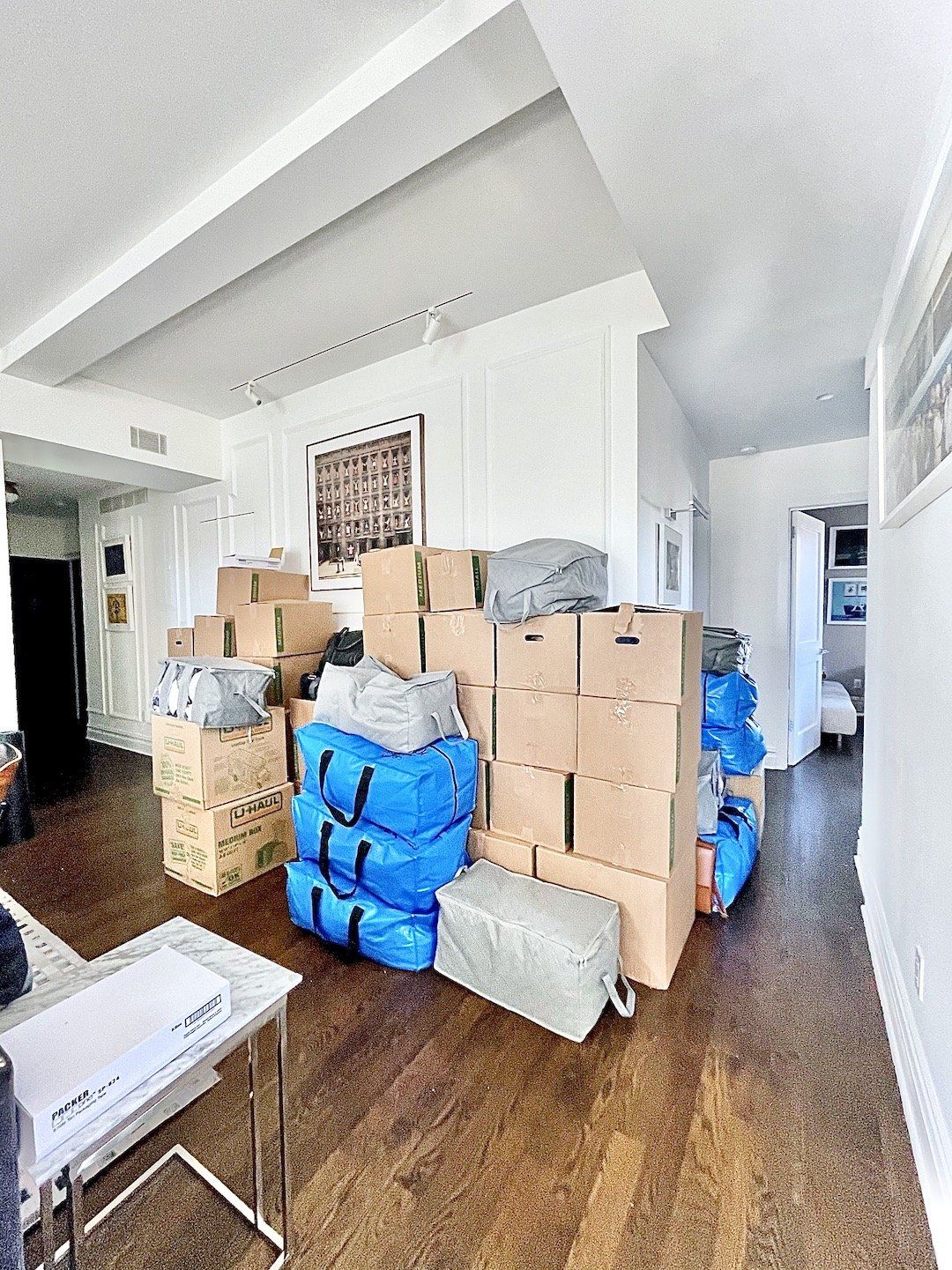
There is a reason moving consistently appears on every list of life's most stressful events. It is not simply the logistics of transporting your belongings from one address to another. It is the emotional weight of closing one chapter and opening the next, compounded by an avalanche of decisions, deadlines, and details that can overwhelm even the most organized among us. We have seen it hundreds of times: accomplished professionals, meticulous planners, people who run complex businesses with ease, reduced to tears over a stack of half-packed boxes and a moving truck arriving in forty-eight hours.
But here is what we have also seen, just as many times: moves that unfold with grace, with calm, with a sense of genuine excitement rather than dread. The difference between these two experiences is never luck. It is always preparation. At Swoon Spaces, we have managed relocations across New York City, Los Angeles, and Austin for clients who refuse to sacrifice their peace of mind during a transition. These are the strategies we use, and they work whether you are moving across the street or across the country.
Begin With a Ruthless Edit
The single most transformative thing you can do before a move has nothing to do with packing tape or truck reservations. It is decluttering with honesty and intention. Every item you choose not to bring to your new home is an item you will never have to wrap, box, carry, unload, find a place for, and eventually decide to get rid of later anyway. The math is staggeringly simple, yet most people skip this step entirely because it feels time-consuming. In reality, it saves more time than any other action in the entire moving process.
We recommend beginning this edit at least six weeks before your move date. Go room by room, starting with the spaces that hold the least emotional complexity: the guest bathroom, the linen closet, the storage area beneath the stairs. Pull everything out, assess each item honestly, and sort into four categories: keep, donate, sell, and discard. The keep pile should contain only items you use regularly, love genuinely, or need practically in your new space. Everything else is weight you are carrying for no reason.
Pay particular attention to duplicates, expired products, clothing you have not worn in over a year, and items kept purely out of obligation. That bread maker you used once in 2019. The tower of magazines you intend to read someday. The exercise equipment doubling as a very expensive coat rack. Be honest. Be generous with your donations. And notice how much lighter you feel with every bag that leaves the house.
"A move is not just a change of address. It is a rare opportunity to curate your life, to arrive somewhere new carrying only what truly matters."
Create a Detailed Moving Timeline
Panic almost always stems from a lack of structure. When the entire moving process exists as a vague, overwhelming cloud in your mind, every task feels equally urgent and nothing gets done. The antidote is a concrete timeline that breaks the process into manageable phases, each with clear action items and deadlines. Here is the framework we use with our move management clients:
Six to Eight Weeks Out
This is your research and decision phase. Obtain at least three moving estimates, whether from full-service companies or portable container providers. Verify insurance coverage, read reviews carefully, and confirm cancellation policies. If your building requires elevator reservations or loading dock scheduling, initiate those requests now. Begin creating a floor plan of your new home, measuring doorways and rooms so you know exactly where major furniture pieces will land. This single step eliminates the exhausting day-of shuffle of "try it over there" when everyone is tired and patience is thin.
Four to Six Weeks Out
Begin packing non-essential rooms: guest bedrooms, storage closets, seasonal items, and decorative objects that do not affect your daily routine. Order more packing supplies than you think you need; our general rule is to estimate your box count and then add thirty percent. Stock up on quality packing paper (never newspaper, which smudges and stains), bubble wrap for fragile items, and a set of thick markers in multiple colors. Notify your bank, insurance providers, subscriptions, employer, and children's schools of your address change. Set up USPS mail forwarding at least two weeks before you move.
Two to Four Weeks Out
This is your primary packing window. Work through one room at a time from start to finish rather than packing a little from everywhere. Completing rooms sequentially gives you a visible sense of progress and prevents the chaos of half-packed spaces throughout the house. Prepare your essentials box, the last one packed and the first one opened, with toilet paper, a phone charger, basic tools, medications, snacks, a change of clothes, and fresh bedsheets. This box travels with you, not on the truck. Reconfirm every detail with your movers: dates, arrival windows, building-specific requirements, and payment expectations.
The Labeling System That Transforms Moving Day
Most people scrawl a room name on a box and consider their labeling obligations fulfilled. This is a missed opportunity that costs hours of frustration on the other end. A proper labeling system is one of the highest-return investments you can make in your moving process, and it takes only seconds per box to implement.
- Color-code by room. Assign each room in your new home a color: blue for the primary bedroom, green for the kitchen, gold for the living room, and so on. Apply matching colored tape or dot stickers to two sides of every box. On moving day, tape a corresponding color swatch to the doorframe of each room so movers can route boxes without asking a single question. This alone can shave an hour off unloading time.
- Number every box and keep a master inventory. A simple spreadsheet is all you need. Log the box number, its assigned room, and a brief description of contents: "Box 22, Kitchen, baking supplies, mixing bowls, stand mixer attachments." When you need to find something specific during the unpacking chaos, you will search a spreadsheet instead of opening fifteen boxes.
- Flag priority boxes. Mark any box containing items needed within the first twenty-four hours with a bright star sticker or a bold "OPEN FIRST" label. Kitchen essentials, bathroom toiletries, bedding, children's comfort items, and pet supplies typically fall into this category. These boxes should be the last loaded onto the truck and the first carried into the new home.
This system does something powerful beyond logistics: it allows anyone to help. Friends, family members, even movers who have never seen your home can unpack meaningfully because the system is self-explanatory. That is the hallmark of great organization: it works without you having to oversee every detail.
Room-by-Room Packing Strategies
The Kitchen
Invariably the most time-consuming room to pack, the kitchen demands both patience and technique. Start with the items you use least: specialty appliances, serving platters, holiday dishes, and that fondue set from your wedding registry. Wrap plates vertically, like vinyl records in a crate, rather than stacking them flat; they are significantly less likely to crack under pressure this way. Nest bowls with packing paper between each layer. Use small, sturdy boxes for heavy items like cookbooks, cast iron, and canned goods. Wrap knives individually in cardboard secured with rubber bands, or keep them in their block.
Bedrooms and Closets
Wardrobe boxes are a worthwhile investment for hanging clothes. Garments transfer directly from the closet rod into the box and back again without folding, wrinkling, or rehanging. For folded clothing, dresser drawers can often remain filled if your movers are comfortable carrying them; simply secure the drawers with stretch wrap and protect the dresser exterior with moving blankets. Shoes travel best in their original boxes or paired together with rubber bands in a lined container.
Bathrooms
Place every liquid product in a sealed zip-lock bag before boxing. Temperature and pressure changes during transit cause leaks more often than you would expect, and a single bottle of shampoo can ruin an entire box of linens. Use this as an opportunity to edit ruthlessly. Discard expired medications, half-used products, and anything you have been holding onto out of habit rather than genuine use.
Living Room and Home Office
Before disconnecting a single cable, photograph the back of every piece of electronics. Label each cord with a small piece of painter's tape noting what it connects to. For framed artwork and mirrors, create an X across the glass with painter's tape to prevent shattering, then wrap in bubble wrap and pack vertically in a picture box. Never lay framed glass flat in a box. It is far more vulnerable to pressure that way.
"Moving day should feel like logistics, not chaos. When every box is labeled, every decision is made in advance, and every system is in place, you are free to focus on what actually matters: the excitement of a new beginning."
The Strategic Unpacking Order
How you unpack matters just as much as how you pack. Resist the temptation to open boxes randomly or chase the satisfaction of emptying the most visible room first. Instead, follow this order, which we have refined through hundreds of client relocations:
- Bathrooms first. A functional bathroom immediately transforms a construction zone into something resembling a livable home. Hang towels, set out toiletries, stock toilet paper, and place a fresh candle on the counter. This small act of normalcy has an outsized psychological impact.
- Kitchen second. Even if dinner is takeout on the floor, knowing where your coffee maker, mugs, plates, and glasses live sets the tone for the next morning. Unpack systematically, placing items according to the zones you planned: cooking essentials near the stove, daily dishes at eye level, specialty items on higher shelves.
- Bedrooms third. Make the beds with fresh linens. This is one of the most psychologically powerful things you can do on moving day. After hours of physical labor and mental decisions, walking into a room with a clean, beautifully made bed waiting for you changes the entire experience.
- Living areas fourth. Position furniture according to your pre-planned layout, connect electronics using your labeled cable photos, and hang curtains. These spaces come together quickly once the functional rooms are handled.
- Storage and extras last. Guest rooms, linen closets, garage storage, and decorative items can wait days or even weeks. Focus your energy on the rooms that shape your daily routine.
Settling In: The First Two Weeks
The choices you make in the first two weeks set patterns that persist for years. Resist the understandable impulse to shove items into the nearest available drawer simply to clear boxes from sight. Take the time to establish intentional systems from the very beginning: drawer dividers in the kitchen, labeled shelves in the pantry, a designated drop zone for keys and mail near the entryway. It is exponentially easier to organize as you unpack than to reorganize everything once habits have already formed.
After your first full week, walk through the house with fresh eyes and note what is working and what is creating friction. Are you crossing the entire kitchen to reach your morning coffee mug? Move the mugs beside the coffee maker. Does the entryway collect a small mountain of shoes by Thursday? Add a bench with hidden storage or a slim shoe cabinet. Is your nightstand already cluttered? Introduce a small tray or organizer to contain the essentials. These micro-adjustments, made early, prevent the slow accumulation of disorder that erodes the joy of a new space.
When to Call in the Professionals
There is a particular kind of relief that comes from handing the logistics of a move to someone whose entire profession is making relocations seamless. A professional move manager coordinates everything: vetting movers, creating a packing strategy, managing the timeline, overseeing the physical move, and directing the unpacking and organization on the other end. It is not a luxury reserved for mansions and celebrity clients. It is a practical investment that makes sense for anyone who values their time, their peace of mind, or simply wants to walk into a fully functioning home on day one rather than spending weeks surrounded by cardboard.
Consider professional move management if you are relocating for work and cannot take extended time off. If you are moving with young children and need to preserve their routines. If you are downsizing and need a compassionate, objective partner to help navigate the emotional decisions about what stays and what goes. Or if you simply recognize that your energy and attention are better spent on the exciting parts of a new chapter rather than the mechanics of getting there.
At Swoon Spaces, our move management clients consistently describe the experience as the single best investment of their entire relocation. Not because moving is inherently enjoyable, but because removing the stress reveals what a move is actually supposed to be: a fresh start, a new canvas, the beginning of something beautiful. And that feeling, of walking into a home where every box has been unpacked, every item placed with intention, and every room ready to be lived in, is something we believe everyone deserves.
Your next move does not have to be a source of dread. With the right timeline, a thoughtful packing strategy, and systems designed to keep every detail organized from the first box to the last picture hung on the wall, it can be exactly what it was always meant to be: the start of something wonderful.