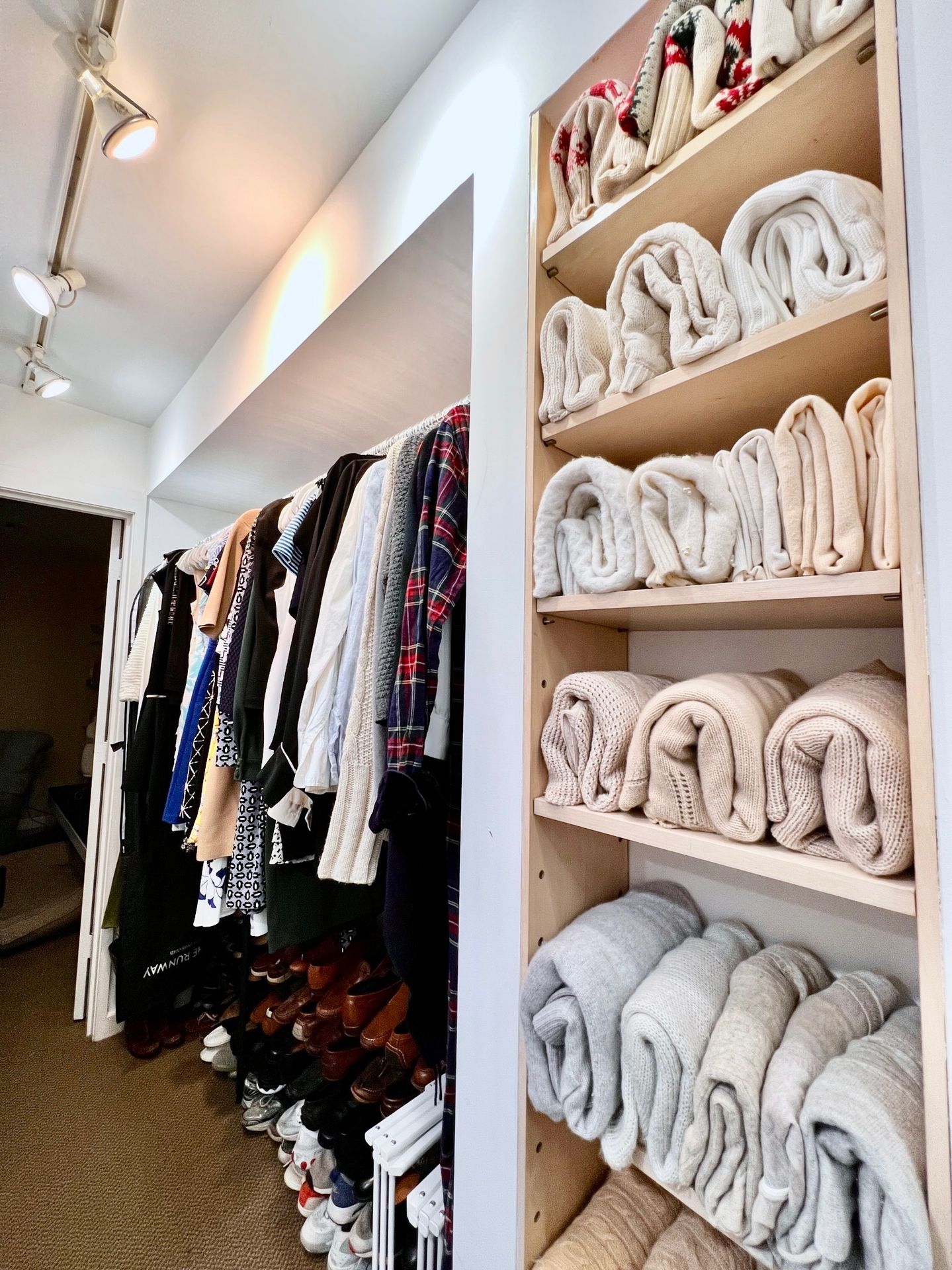
Moving is consistently ranked among the most stressful life events, right alongside job changes and major health issues. Yet most people approach their move with little more than a stack of cardboard boxes and a vague plan to "figure it out as we go." After managing hundreds of relocations across New York City, Los Angeles, and Austin, our team has seen firsthand what separates a chaotic, week-long unpacking marathon from a move where you are fully settled by the end of day one. The difference is almost always in the planning.
This guide lays out the exact timeline and strategies we use with our move management clients. Whether you handle everything yourself or decide to bring in professional help, following this framework will transform the way you think about moving.
The 8-Week Moving Timeline
The biggest mistake people make is starting too late. Eight weeks out might feel early, but the decisions you make in this window are what eliminate last-minute panic. Here is how to break it down:
8 to 6 Weeks Before Moving Day
- Declutter before you pack. This is the single most impactful thing you can do. Go room by room and honestly assess what you use, what you love, and what is just taking up space. Donate, sell, or discard anything that does not earn its spot in your new home. Every item you eliminate is one less thing to pack, carry, and find a place for.
- Research and book your movers. Get at least three in-home or virtual estimates. Ask about insurance coverage, cancellation policies, and whether they charge by the hour or offer flat rates. For moves within the same city, book at least four weeks in advance. For cross-country relocations, six to eight weeks is essential.
- Create a floor plan of your new space. Measure doorways, hallways, and rooms. Decide where major furniture pieces will go before moving day. This eliminates the exhausting shuffle of "let's try it over there instead" when everyone is tired and the clock is running.
- Start a moving binder or digital folder. Keep all estimates, contracts, receipts, and checklists in one place. This becomes your single source of truth throughout the entire process.
6 to 4 Weeks Before Moving Day
- Order packing supplies. You will need more boxes than you think. Our general rule is to estimate what you need and then add 20%. Stock up on packing paper (not newspaper, which smudges), bubble wrap for fragile items, heavy-duty tape, and a quality marker set.
- Begin packing non-essential rooms. Guest bedrooms, storage closets, seasonal items, and decorative objects can all be packed weeks early without affecting your daily life.
- Notify important parties. Update your address with your bank, insurance providers, subscriptions, the post office, your employer, and your children's schools. Set up mail forwarding with USPS at least two weeks before your move date.
4 to 2 Weeks Before Moving Day
- Pack room by room. This is where most people lose control. Resist the temptation to pack a little from everywhere. Complete one room fully before moving to the next. It keeps things organized and gives you a sense of progress.
- Prepare an essentials box. This is the last box you pack and the first one you open. It should contain toilet paper, paper towels, a phone charger, basic tools, snacks, medications, a change of clothes, and bedsheets. Label it clearly and keep it with you, not on the truck.
- Confirm everything with your movers. Call to reconfirm dates, arrival windows, and any building-specific requirements like elevator reservations or loading dock access.
A move is only as stressful as it is disorganized. When every box is labeled and every decision is made in advance, moving day becomes logistics, not chaos.
The Labeling System That Changes Everything
Most people write the room name on the box and call it done. This is a missed opportunity. A proper labeling system is the difference between unpacking in a day and unpacking over the course of a month. Here is the system we use with every client:
- Color-code by room. Assign each room a color: blue for the primary bedroom, green for the kitchen, yellow for the living room, and so on. Use colored tape or dot stickers on two sides of every box. On moving day, place matching colored signs on the door of each room in the new home so movers can route boxes without asking.
- Number every box. Keep a master list (a simple spreadsheet works perfectly) that logs the box number and a brief description of its contents. Box #14: kitchen, baking supplies, mixing bowls, measuring cups. This lets you find anything specific without opening ten boxes.
- Mark priority boxes. Use a star or "OPEN FIRST" label for boxes that contain items you will need within the first 24 hours. Typically, this includes kitchen essentials, bathroom toiletries, bedding, and the children's comfort items.
This system takes about 30 seconds per box to implement and saves hours of frustration on the other end. It also allows anyone (movers, friends, family) to help with unpacking even if they have never been to your home before.
Packing Strategies Room by Room
Kitchen
The kitchen is consistently the most time-consuming room to pack. Start with items you rarely use: specialty appliances, serving platters, seasonal dishes. Wrap plates vertically (like records in a crate) rather than stacking them flat. They are far less likely to break. Nest bowls with packing paper between each one. Use small boxes for heavy items like cookbooks and canned goods, and keep knives in their block or wrap each one individually with cardboard secured by rubber bands.
Bedrooms and Closets
Use wardrobe boxes for hanging clothes. They transfer directly from your closet rod to the box and back again. For folded clothes, dresser drawers can often stay filled if your movers are comfortable carrying them. Just wrap the dresser in moving blankets and tape the drawers shut. Shoes go in their original boxes when possible, or pair them with rubber bands and place them in a lined box.
Bathrooms
Bag all liquids in zip-lock bags before boxing them. Pressure changes during transit can cause leaks. Toss expired medications and half-used products. Moving is the ideal time to edit your bathroom down to what you actually use.
Living Room and Office
Photograph the back of your electronics before unplugging them so you know exactly which cable goes where. Bundle cords with zip ties or rubber bands and label them. For framed artwork and mirrors, create an X with painter's tape across the glass to prevent shattering, then wrap in bubble wrap and pack vertically in a picture box.
The Unpacking Order
Unpacking strategically is just as important as packing strategically. Here is the order we follow with every move management client:
- Bathrooms first. Having functional bathrooms immediately makes the new space feel livable. Hang towels, set out toiletries, stock toilet paper.
- Kitchen second. Even if you order takeout the first night, knowing where your glasses, plates, and coffee maker are sets the tone for the next morning.
- Bedrooms third. Make the beds. This is psychologically powerful. Having a clean, made bed waiting for you at the end of a long moving day changes your entire experience.
- Living areas fourth. Arrange furniture according to your pre-planned layout, hang curtains, and set up electronics.
- Storage and extras last. Guest rooms, linen closets, garage, and decorative items can wait. Focus on the spaces you use every single day.
Our clients are often surprised that we can have them fully unpacked and organized within 48 hours of moving day. The secret is not speed. It is strategy.
Settling In: The First Two Weeks
The first two weeks in a new home are when habits form. Resist the urge to shove things into the nearest drawer just to clear boxes. Take the time to set up proper systems from the start: drawer dividers, labeled shelves, designated spots for keys, mail, and bags. It is far easier to organize as you unpack than to reorganize everything later.
Walk through the space after the first week and note what is working and what is not. Are you constantly walking across the room for your morning coffee mug? Move the mugs closer to the coffee maker. Does the entryway accumulate clutter? Add a console table or hooks. Small adjustments during this window prevent long-term friction.
When to Hire a Move Manager
A professional move manager handles everything: vetting and coordinating movers, creating a packing plan, managing the timeline, overseeing moving day logistics, and directing the unpacking on the other end. Consider hiring one if:
- You are relocating for work and cannot take significant time off
- You are moving with young children and need to maintain their routine
- You are downsizing from a large home and need help making decisions about what to keep
- You are moving long-distance and want a single point of contact managing both ends
- You simply value your time and peace of mind more than the cost of professional help
A good move manager pays for themselves in reduced stress, fewer damaged items, and the priceless experience of walking into a fully organized new home on day one. At Swoon Spaces, our move management clients consistently tell us it was the best investment of their entire relocation.
Moving does not have to be a nightmare. With the right timeline, a thoughtful packing strategy, and systems that keep everything organized from start to finish, your next move can genuinely be the fresh start it is supposed to be. And if you want someone to handle it all for you, from the first box to the last picture hung on the wall, that is exactly what we do.