You spent a Saturday afternoon organizing your pantry. You bought matching containers, watched a few videos for inspiration, and felt genuinely proud of the result. But a few weeks later, the chaos crept back in. Bags are half-open, snacks are shoved into random corners, and you just discovered a can of tomatoes that expired eight months ago.
Sound familiar? You are not alone. At Swoon Spaces, we reorganize pantries for clients across New York City, Los Angeles, and Austin every week, and we see the same five mistakes repeated in nearly every home we enter. The good news is that each one has a straightforward solution. Here are the most common pantry organization pitfalls and exactly how to fix them.
Mistake 1: Using the Wrong Containers
This is by far the most common mistake we encounter. Many people purchase containers based on how they look on a shelf rather than how they actually function in daily life. The result is a pantry full of beautiful vessels that are impractical to open, difficult to pour from, or the wrong size for the items they hold.
The Problem
Round containers waste shelf space because they cannot sit flush against each other. Containers without airtight seals allow moisture and pantry moths to reach your dry goods. Overly tall containers do not fit on standard pantry shelves, and containers that are too wide leave awkward gaps that become dumping grounds for loose items.
The Solution
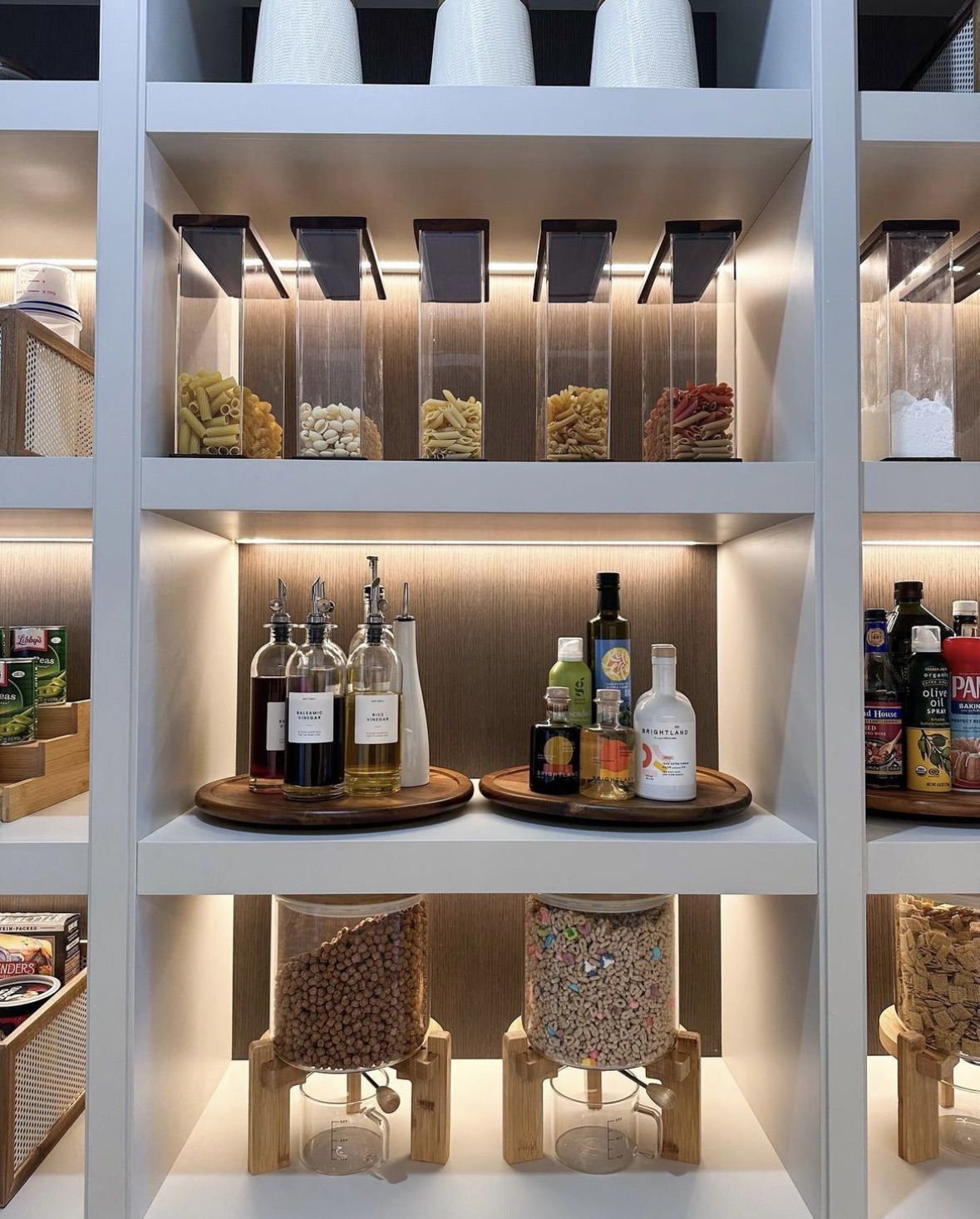
Invest in a modular container system with rectangular or square shapes that maximize every inch of shelf space. Look for these specific features:
- Airtight seals to keep flour, rice, pasta, cereals, and snacks fresh for weeks longer than their original packaging.
- Stackable lids so you can build upward when shelf height allows it.
- Clear bodies so you can see contents and quantities at a glance without opening anything.
- One-hand opening mechanisms for quick access while cooking.
"The best container is one you will actually use every day without thinking about it. If it is beautiful but inconvenient, it will end up collecting dust while you go back to the original bag."
We recommend measuring your shelves before purchasing and buying containers in graduated sizes from the same product line. This ensures a cohesive look and guarantees everything fits together without wasted space.
Mistake 2: Not Creating Zones
Imagine walking into a grocery store where cereal was shelved next to cleaning supplies and canned vegetables were mixed in with the baking aisle. It would be maddening. Yet this is exactly how most home pantries are arranged: randomly, with items placed wherever there happens to be room.
The Problem
Without designated zones, you spend more time searching for ingredients, you forget what you already own, and you end up buying duplicates. A zone-less pantry also makes it nearly impossible for other household members to find things or put groceries away correctly.
The Solution
Divide your pantry into clear, logical zones based on how you cook and eat. We typically recommend these categories for most households:
- Baking zone: Flour, sugar, baking powder, vanilla extract, chocolate chips, and related items grouped together.
- Breakfast zone: Cereals, oats, granola, pancake mix, honey, and coffee supplies.
- Snack zone: Crackers, nuts, dried fruit, chips, and grab-and-go items, ideally at a height accessible to everyone in the family.
- Cooking essentials zone: Oils, vinegars, sauces, broths, canned tomatoes, and pasta.
- Grains and legumes zone: Rice, quinoa, lentils, dried beans, and couscous.
Place the zones you access most frequently at eye level and within easy reach. Less-used items like specialty baking supplies or holiday ingredients can go on higher or lower shelves. The key is consistency. Once a zone is established, every member of the household should know where things belong.
Mistake 3: Ignoring Expiration Dates
Out of sight, out of mind. This principle explains why so many pantries contain items that expired months or even years ago. Expired products take up valuable real estate, create confusion about what is actually available for cooking, and in some cases can pose health risks.
The Problem
Most people organize their pantry once, fill it up, and then continuously push older items to the back as new groceries arrive. Over time, the back of each shelf becomes a graveyard of forgotten cans, stale spices, and expired sauces.
The Solution
Adopt the "first in, first out" method used by professional kitchens and restaurants. When you bring home new groceries, place them behind existing items so that older products get used first. This simple habit alone can dramatically reduce food waste.
We also recommend a quarterly pantry audit. Set a calendar reminder every three months to pull everything off the shelves, check dates, and discard anything expired. While everything is out, wipe down shelves and assess whether your zones still make sense for how you are currently cooking. This 30-minute ritual keeps your pantry in peak condition year-round.
Mistake 4: Overbuying and Overstocking
Bulk shopping can be economical, but it becomes a problem when your pantry cannot physically accommodate everything you buy. Overstocking leads to cramped shelves, items hidden behind other items, and an overwhelming visual environment that makes meal planning feel stressful rather than inspiring.
The Problem
When shelves are stuffed to capacity, maintaining any organizational system becomes impossible. Items get shoved in sideways, labels face the wrong direction, and the careful zones you established break down within days of a big shopping trip.
The Solution
Start by establishing a realistic inventory baseline. How many boxes of pasta does your household actually consume in a month? How quickly do you go through olive oil? Once you understand your true consumption rates, you can stock accordingly rather than buying based on impulse or perceived deals.
We recommend keeping a simple inventory list on the inside of your pantry door or on your phone. Before each shopping trip, do a quick scan to see what you actually need. This prevents duplicate purchases and ensures you only bring home what your pantry can comfortably hold.
"An organized pantry is not about having more. It is about having exactly what you need, beautifully arranged and easy to access. Restraint is a form of luxury."
If you do buy in bulk, designate a separate overflow area, such as a basement shelf or utility closet, for backup stock. Your main pantry should only contain what you will use in the next two to four weeks.
Mistake 5: Poor or Nonexistent Labeling
You transferred your flour, sugar, baking soda, and powdered sugar into beautiful matching containers. They look stunning on the shelf. There is just one problem: you cannot tell them apart without opening each one. This is the labeling mistake, and it undermines the entire purpose of decanting into uniform containers.
The Problem
Without labels, even the most organized pantry requires guesswork. Family members who did not do the organizing have no idea what is in each container. Guests helping in the kitchen are lost. And when you are in the middle of a recipe with flour-covered hands, the last thing you want to do is open five containers to find the cornstarch.
The Solution
Label every single container. There are no exceptions to this rule. For a luxury pantry, we recommend these labeling approaches:
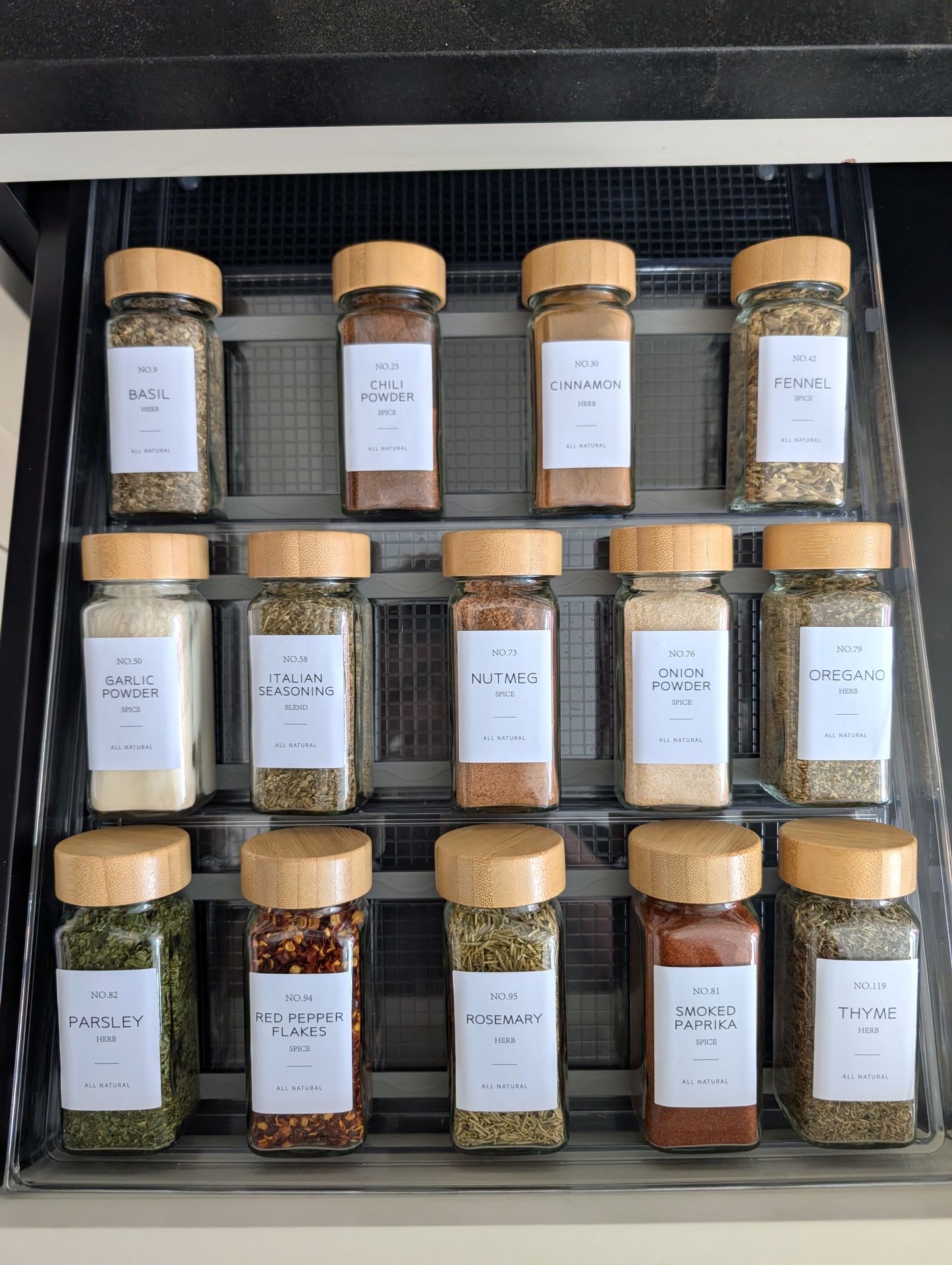
- Custom vinyl labels in a clean, modern font that coordinates with your kitchen aesthetic. White text on clear backing works beautifully on most containers.
- Brass or gold clip-on tags for a more traditional, elevated look that can be reused when container contents change.
- Chalk labels for families who rotate pantry contents frequently and need the flexibility to update names easily.
Beyond naming the contents, consider adding expiration dates or purchase dates to your labels. This ties directly back to Mistake 3 and creates a self-maintaining system where old items are naturally identified and used first.
The Bigger Picture
These five mistakes share a common thread: they all result from organizing for aesthetics without building in the systems needed for long-term maintenance. A truly well-organized pantry is not just beautiful on day one. It stays beautiful on day one hundred because the systems are intuitive, sustainable, and designed around how your household actually lives.
If your pantry keeps falling back into disarray despite your best efforts, it may be time to bring in professional help. At Swoon Spaces, we design pantry systems that account for your family size, cooking habits, shopping patterns, and aesthetic preferences. The result is a pantry that practically maintains itself, freeing you to focus on what matters most: enjoying your home and the meals you create in it.